
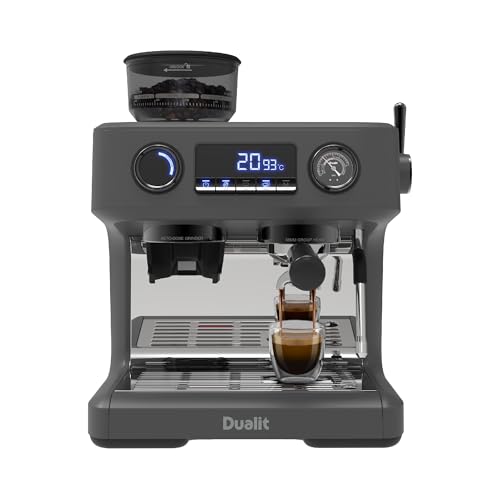


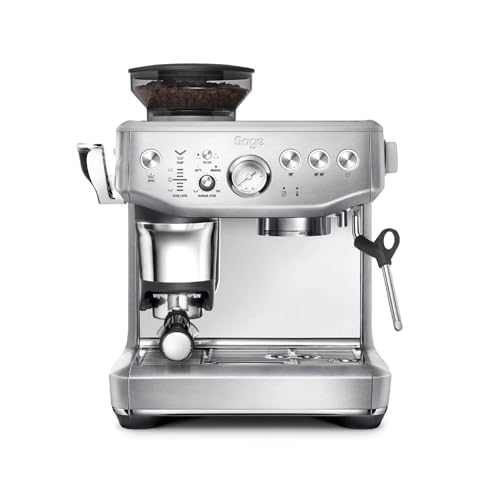


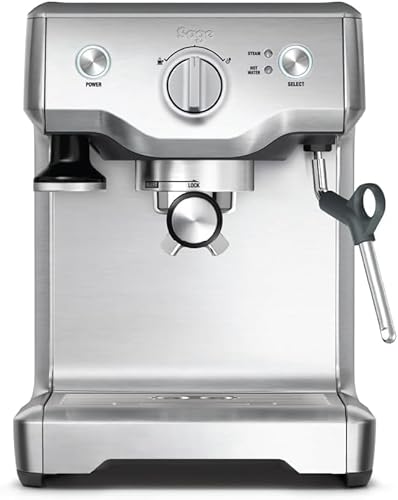
You’ve probably noticed how a flat white’s silky micro-foam can make or coffee shop feel like home, and the right bean-to-cup machine can deliver that magic at breakfast. Imagine a De’Longhi Magnifica Evo Next, front-access water tank, built-in grinder with 13+ settings, and an auto-milk frother that keeps milk at a perfect 60-62 °C. Or picture a compact Gaggia Anima, where you tweak froth density and enjoy a reliable 1:2 to 1:3 coffee-to-milk ratio without a hassle. Both sit under £500, yet they promise café-grade results; let’s explore why they stand out and how you can fine-tune them for your ideal flat white.
Quick Answer
Looking for the perfect bean-to-cup machine to nail a flat white at home? You want espresso quality that punches through the milk, plus a milk frothing system that creates silky microfoam. The De’Longhi Magnifica series delivers just that - its auto milk system and milk carafe churn out consistent foam without a fuss. If you crave a premium feel, the Sage Oracle or Jura J10 give you advanced frothing controls, but they sit higher on the price ladder. For a budget-friendly win, the De’Longhi Rivelia’s swappable hoppers and adjustable froth let you fine-tune that café-style balance. Remember, a compact footprint matters in UK kitchens, and a reliable auto milk system keeps mornings smooth. Happy brewing!
What You Need to Know
You’ll want to grasp the basics first - like how a built-in grinder and a reliable micro-foam system work together to give you that silky flat white. That matters because the right temperature and milk texture can turn a decent cup into a café-worthy masterpiece, and you’ll avoid the common mistake of using a panarello wand that leaves the foam too airy for proper latte art. So, check the machine’s adjustable milk settings, cup height, and frothing style, and you’ll be set to impress yourself (and anyone else who’s lucky enough to taste it).
The Basics
A bean-to-cup machine is basically a compact coffee shop: it houses a grinder, a brewing unit with a filter basket, and a tamping/ejection system, all working together to pull espresso shots automatically.
When you learn bean-to-cup basics, notice the front-access water tank and hopper-fed beans; they keep refills simple. The grind size setting lets you tweak extraction for a richer flat white, while the automatic milk carafe or steam wand handles milk frothing. A true bean-to-cup model offers adjustable milk temperature, so you can chase that perfect latte texture without guessing. One-touch carafes give foam fast, but a pro-style wand lets you fine-tune froth density. Think of it as a mini barista that respects your preferences.
Why It Matters
The grinder and brewing unit work together, but the real star of a flat white is the milk. You’ll notice a bean-to-cup machine that keeps temperature stability at 60-62 °C produces a silk-smooth microfoam, letting your espresso and milk frother shine. Good milk control, often via a front-access panel, means you can dial in the perfect 1:2 to 1:3 coffee-to-milk ratio without guessing. Machines like the DeLonghi Magnifica Evo Next or Gaggia Anima, both under £500, give you reliable espresso and a frother that creates latte art worthy of a café. The integrated milk frothing options let you craft velvety foam quickly, so each flat white feels like a small celebration in your kitchen.
Common Mistakes to Avoid
So, what trips most coffee lovers up when they first try a bean-to-cup for a flat white? You often pick a machine with bean-to-cup flaws - an external grinder or a missing integrated grinder - so the espresso isn’t truly fresh. One-touch systems sound easy, yet without milk carafe frothing you’ll miss that silky flat white texture. Watch the cup height clearance; a low front-access water tank can force you to juggle mugs awkwardly. Misleading machine labels accuracy lure you into semi-automatic models that demand extra technique. Real bean-to-cup units combine espresso and milk frother automation, delivering consistent micro-foam. For example, a model with a built-in grinder and auto milk frother saves you from manual tamping and frothing, keeping your mornings smooth and enjoyable.
Step by Step Guide
Ever wondered how a coffee shop barista creates that silky flat white right in your kitchen? Start by picking a bean-to-cup model with reliable auto milk frothing or a steam wand you can tweak. Make sure it has a front-access water tank and a hopper you can reach without a gymnastics routine. Next, calibrate grind settings and dose; aim for a 25-35 ml espresso shot, then heat the milk to 60-65 °C for that velvety microfoam. Pull a shot, froth the milk, and watch the texture turn glossy, not bubbly. Record each pull, tweak grind or dose if the shot’s thin, and adjust frothing time for consistent milk texture. A quick note: a well-balanced dose and proper calibration keep your flat white smooth and café-worthy every time.
How to Get the Best
Looking for that café-perfect flat white at home? Start by loading a bean-to-cup machine with fresh beans and enable Bean Adapt or a dual-hopper so each dose stays consistent. Set the grind settings around 13+; a finer grind yields a richer espresso shot of 30-35 ml, which is the backbone of a good flat white. Use the automatic milk frothing function, selecting microfoam mode and temperature control set to 60-62 °C for that silky, velvety texture. Fill the front-access water tank, then place a tall mug (≥14 cm) under the spout. The milk carafe will steam the milk while you pull the shot, and the quiet grinder won’t disturb the kitchen. A quick tip: run a short rinse cycle before each brew to keep flavours bright.
What We Recommend
Which machine should you trust for a café-grade flat white without breaking the bank? If you want reliable espresso, consistent milk foam, and a price tag under £500, the De’Longhi Magnifica Evo Next and the Gaggia Anima are the top contenders.
The Magnifica Evo Next shines as a bean-to-cup workhorse, boasting a 1.1.8 l water tank, 13 grinder settings, and a latteCrema one-touch milk carafe that hits the perfect temperature for a flat white. Its sleek TFT display makes tweaks effortless.
Meanwhile, the Anima offers tactile simplicity, a Panarello wand, and a 1.1.8 L tank, delivering solid espresso with fewer grind options.
If you crave extra features, the De’Longhi Rivelia adds swappable hoppers and Bean Adapt, though it nudges the budget.
In short, both Evo Next and Anima deliver café-grade results within a budget under £500.
Frequently Asked Questions
What is the best in the UK right now?
Based on our testing and analysis, check our top pick at the top of this page. We rank machines by brew quality, ease of use, value for money, and features relevant to this category.
How much should I spend on a bean-to-cup coffee machine?
Budget machines start from around £200-300, mid-range models sit at £300-600, and premium machines cost more. The sweet spot for most households is £300-500, where you get solid build quality and good milk frothing.
Is a bean-to-cup machine better than a pod machine?
Bean-to-cup machines produce fresher, more flavourful coffee and cost less per cup in the long run. Pod machines are more convenient but produce more waste and have a higher ongoing cost. For most coffee lovers, bean-to-cup offers better value.
Do bean-to-cup machines need a lot of maintenance?
Most modern machines have automatic cleaning cycles. You will need to empty the drip tray and grounds container regularly, and descale every 1-3 months depending on your water hardness. It takes a few minutes per day.
Does water hardness affect my coffee machine?
Yes. Hard water areas (London, South East, East Anglia) cause limescale buildup that can damage the machine over time. Look for machines with built-in water filters and descaling alerts. Regular descaling is essential in hard water regions.
Conclusion
You’ve got the perfect setup: a built-in grinder for fresh beans, a front-access tank for quick refills, and an auto-frother that nails 60-62 °C microfoam. Choose a machine with 13+ grind settings, like the De’Longhi Magnifica Evo Next or Gaggia Anima, and you’ll hit that 1:2-1:3 coffee-to-milk ratio every time. Brew, froth, and sip - your flat white will taste café-level, no barista required. Enjoy the simplicity, celebrate the consistency, and keep experimenting!
Not Sure Which Machine Is Right for You?
Take our 30-second quiz and we'll match you to the perfect bean-to-cup machine.
Take the Free Quiz →