


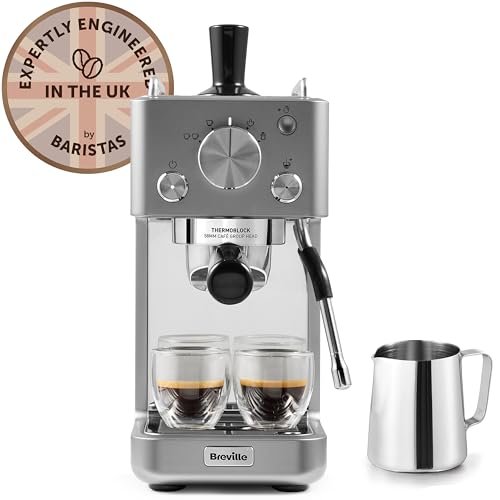


You’re hunting a coffee machine that grinds fresh beans, brews solid espresso, and froths milk - all without breaking the £300 bank. Think of the DeLonghi Magnifica’s reliable grinder, the Philips 2200’s roomy 1.1.8 L tank, or the Melitta Purista’s easy-clean drip tray; each offers a panarello wand or automatic frother for latte art experiments. They fit snugly on a kitchen counter, keep maintenance simple, and deliver café-style crema that’ll impress friends. Ready to see which model truly balances price, performance, and durability?
Quick Answer
Looking for a bean-to-cup machine that won’t break the bank? In 2026 you can snag a reliable model under £300 in the UK without compromising quality. The DeLonghi Magnifica S ECAM22.110.B tops the list with its sturdy build, 1.1.8 l water tank, and Panarello wand, priced around £269-£299.
If you love touchscreens, the Beko CaffeExperto CEG7302B offers sleek controls for £279-£299.
For tight kitchens, the Melitta Purista F230-102 fits a 20 cm footprint and whispers as it grinds, at about £280.
The Philips 2200 Series EP2220/10 brings a 100 % ceramic grinder and easy cleaning for £266-£299.
Meanwhile, the KRUPS Arabica Digital EA817040 and Lavazza Jolie Evo round out the choices, each delivering solid performance and frothing options within the same price band.
What You Need to Know
You’ll first want to grasp the basics - like how a 300-pound machine handles grinding, brewing, and milk frothing - because those core functions set the stage for everyday use.
That matters when you compare, say, the DeLonghi Magnifica’s simple button panel to a Philips 2200’s slightly newer interface, helping you avoid the common mistake of assuming all budget models are alike.
And remember, picking a unit with a roomy hopper and easy-clean tank will save you from nightly coffee-spill dramas - just think of it as giving yourself a smoother morning routine.
The Basics
A bean-to-cup machine under £300 gives you a built-in grinder, a removable water tank, and usually a milk frother, so you can pull espresso, cappuccino, and latte at home without a separate grinder or steam wand. You’ll find a single-serve, user-friendly design that lets you choose from 13 grind settings, letting you fine-tune extraction without fuss. The integrated grinder is typically a quiet, plastic-cased unit - Melitta Purista is praised for its low-decibel hum - while the front-loading water tank holds about 1.8 L, making refills quick. Milk frothing varies; some models use a Panarello wand, others offer automatic milk frothing for a hands-free latte. Expect solid build quality, easy maintenance, and a budget coffee machine that delivers consistent cups without overwhelming controls.
Why It Matters
The built-in grinder and front-loading tank you just admired aren’t just conveniences - they’re the heart of why a sub-£300 bean-to-cup machine can actually improve your daily coffee routine. You’ll love the bean-to-cup affordability that lets you skip cheap pods and still get fresh espresso, giving real value for money. A reliable built-in grinder with 13-16 grind settings means you can tweak extraction without buying extra accessories. The front-access water tank makes refilling a breeze, and the modest milk frothing wand (often a Panarello) adds a cappuccino touch without breaking the bank. Maintenance stays simple - just pop out the brew group and clean. These machines prove that quality, convenience, and durability can coexist under £300.
Common Mistakes to Avoid
If you skip the fine print and assume every sub-£300 bean-to-cup machine offers the same milk-frothing experience, you’ll end up with a lack that can’t quite texture a silky cappuccino.
First, don’t trust any bean-to-cup milk frothing claim; a Panarello wand feels like a cheap whisk, while an auto milk frother can actually steam milk consistently.
Second, ignore front-loading water tank hype - if the tank sits high, you’ll spill more often, especially with a compact footprint kitchen.
Third, double-shot dosing is often a myth; many budget models deliver a weak second shot or need a manual punch-through.
Fourth, a burr grinder is non-negotiable, but expect a noise level around 65 dB.
Finally, check cleaning cycles; reliability vs. Simplicity matters, so pick a machine that balances easy maintenance with solid performance.
Step by Step Guide
Ever wondered how to get café-quality coffee at home without breaking the bank? First, unpack your bean-to-cup, under £300, UK 2026 model - say the DeLonghi Magnifica S. Fill the front-loading water tank, then choose a grinder setting that matches your beans; 13 levels let you fine-tune strength. Press a one-touch drink button for espresso, latte, or cappuccino, and if you have a separate milk frother, attach it for silky foam. Next, run a quick rinse cycle to clear any residue - this keeps the ceramic grinder happy. For a compact-size entry-level espresso machine like the Melitta Purista, simply press the Favourite Coffee button to recall saved settings. Finally, enjoy your brew, and remember: a little tweaking makes every cup feel like a café visit.
How to Get the Best
After you’ve got the machine set up and the first brew out of the way, fine-tuning each step will turn a decent cup into a coffee-shop masterpiece. Start by adjusting the grinder settings; most bean-to-cup units offer at least 13 grind size options, so experiment until the espresso flows with a silky crema. Next, play with adjustable strength - lighter for a bright cup, stronger for a bold punch. For milk frothing, decide if you want a Panarello wand for hands-on foam or an auto milk carafe for set-and-forget convenience; the latter saves time but may lack micro-foam texture. Check water tank front-access for quick refills, and ensure the cup height fits your favourite mug (14-15 cm is ideal). Scan recent UK reviews for local water-hardness tips and verify warranty terms before committing.
What We Recommend
Which model should you trust to turn your kitchen into a coffee-shop under £300? You’ll love the DeLonghi Magnifica S ECAM22.110.B. It’s a bean-to-cup star, priced just under £300, and it packs an 1.8 l water tank that you fill from the front-access panel - no hassle. The Panarello milk wand froths lattes with a single push, and the 19-bar pump delivers café-grade pressure. Its compact footprint fits snugly on a counter, while the reliable grinder and straightforward controls make daily use a breeze. Compared with other options, it offers the best value-for-money, delivering consistent espresso without breaking the bank. If you crave a solid, no-nonsense machine, this is the one to pick.
Frequently Asked Questions
What is the best in the UK right now?
Based on our testing and analysis, check our top pick at the top of this page. We rank machines by brew quality, ease of use, value for money, and features relevant to this category.
How much should I spend on a bean-to-cup coffee machine?
Budget machines start from around £200-300, mid-range models sit at £300-600, and premium machines cost more. The sweet spot for most households is £300-500, where you get solid build quality and good milk frothing.
Is a bean-to-cup machine better than a pod machine?
Bean-to-cup machines produce fresher, more flavourful coffee and cost less per cup in the long run. Pod machines are more convenient but produce more waste and have a higher ongoing cost. For most coffee lovers, bean-to-cup offers better value.
Do bean-to-cup machines need a lot of maintenance?
Most modern machines have automatic cleaning cycles. You will need to empty the drip tray and grounds container regularly, and descale every 1-3 months depending on your water hardness. It takes a few minutes per day.
Does water hardness affect my coffee machine?
Yes. Hard water areas (London, South East, East Anglia) cause limescale buildup that can damage the machine over time. Look for machines with built-in water filters and descaling alerts. Regular descaling is essential in hard water regions.
Conclusion
You’ve got the perfect brew waiting - just pick a model that fits your kitchen, set the grind, and let the machine do the heavy lifting. Whether it’s the DeLonghi Magnifica’s reliable frother or the Philips 2200’s sleek tank, each delivers café-style espresso without breaking the bank. Remember, a little maintenance goes a long way, so clean the grinder and descale regularly. In short, enjoy your daily barista experience, and let every cup be a tiny celebration of flavour.
Not Sure Which Machine Is Right for You?
Take our 30-second quiz and we'll match you to the perfect bean-to-cup machine.
Take the Free Quiz →