



Remember the first time you tasted a café-style latte at home, and wondered why your old machine could’t match it? You’re about to discover how a solid bean-to-cup with a built-in frother can finally give you that silky milk and rich espresso without a trip to the shop. Think De’Longhi’s compact model with a 1.1.8 L tank, or Sage’s versatile steam wand that lets you master latte art. As we explore grind settings, auto-clean cycles, and cup clearance, you’ll see why these machines are a game-changer for any kitchen. Ready to upgrade your morning ritual?
Quick Answer
Looking for the perfect bean-to-cup machine that likewise froths milk without breaking the bank? If you crave a solid starter, the De’Longhi Magnifica Start delivers a built-in grinder, 1.1.8 L tank, and decent milk frother at an affordable price - great price value.
When you can stretch to £600, the De’Longhi Rivelia adds swappable hoppers and four user profiles, though its grinder can be noisy.
Simplicity shines in the Jura E6, where a black-and-white LCD and four drink options produce silky milk texture without a hot-water button.
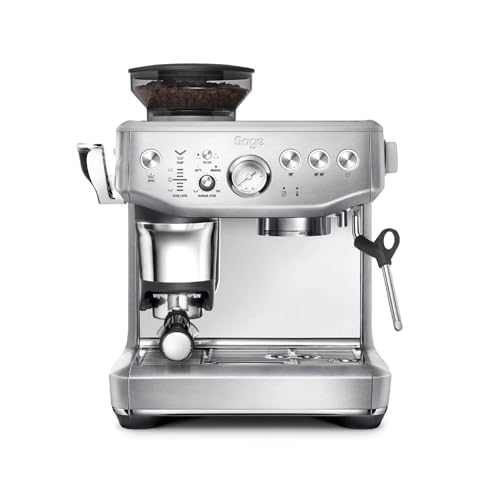
For a premium feel, the Sage Barista Touch guides you through automatic espresso and offers a frothing jug for multiple milk types, albeit at a competitive price.
Each model balances convenience, flavour, and cost, so pick the one that fits your kitchen and wallet.
What You Need to Know
You’ll first want to grasp the basics - how the built-in grinder, brewing unit, and frother work together, much like a tiny café in your kitchen. Knowing why it matters helps you avoid common mistakes, such as over-filling the water tank or neglecting to clean the steam wand, which can ruin flavour and durability. For example, a DeLonghi Magnifica S Smart’s simple Panarello wand gives you decent foam, while a Sage Barista Touch’s auto-milk carafe delivers barista-level texture - so pick the system that matches your skill level and budget.
The Basics
Ever wondered how a bean-to-cup machine turns raw beans into a steaming latte with just a push of a button? You load beans into the hopper, water into the tank, and the built-in grinder grinds on demand. The grounds drop into a filter basket, where an automatic tamping system prepares a perfect espresso shot. As the brew finishes, the milk frother - whether a panarello wand, a one-touch milk carafe, or a pro steam wand - creates silky foam. The waste ends up in a waste bin or drip tray, keeping the countertop tidy. Think of it as a mini café in your kitchen: you press “espresso,” the machine does the heavy lifting, and you enjoy café café without a barista. This convenience makes daily coffee rituals effortless and fun.
Why It Matters
When you press “espresso” and watch the frother puff up a latte, you’re actually balancing several hidden factors that decide whether that cup feels like a café treat or a kitchen disappointment. A bean-to-cup coffee machine in the UK that pairs a reliable grinder with a capable milk frother can deliver consistent espresso and silky milk texture, but only if the usability matches your routine. Automatic frothing saves time, yet a Panarello wand might give you a lighter foam if you prefer cappuccinos. Noise level, heat-up speed, and price range also matter - cheaper models under £300 can be surprisingly solid, while premium units over £1,000 often polish every detail. Understanding these trade-offs helps you pick a machine that fits your space, budget, and taste, turning daily brews into a rewarding ritual.
Common Mistakes to Avoid
Why do so many coffee lovers end up with frothy disappointment instead of café-quality foam? You often over-pay, assuming a higher price guarantees a better milk frother. In reality, a De’Longhi Magnifica under £300 delivers solid frothing texture with modest noise, while pricier models sometimes just add buzz.
Next, don’t rely solely on an automatic carafe if you crave latte art; manual froth control with a steam wand lets you sculpt microfoam, but it demands practice. Check milk system compatibility - small 280 ml carafes limit repeated drinks before refilling.
Additionally, ignore the noise during frothing; louder steam can mask poor frothing performance. Finally, remember that bean-to-cup machines vary; choose one that balances steam power, quiet operation, and the ability to create silky foam for impressive latte art.
Step by Step Guide
How do you pick the perfect bean-to-cup machine without feeling overwhelmed? First, set a budget and then scan for models that list a milk frother option - whether it’s automatic milk frothing, a Panarello wand, or a manual steam wand. Next, compare grind settings; most machines offer 5-13 levels, so you can fine-tune strength. Check the water tank capacity - 1.8 L is common - and make sure the cup-height clearance reaches at least 14 cm for larger mugs. Test the milk performance: one-touch auto-frothing saves time, while a manual steam wand lets you experiment with texture. Finally, review maintenance features like auto-clean cycles and dishwasher-safe parts, and hunt for price deals to keep ownership costs low. This step-by-step approach keeps you confident and saves you from buyer’s remorse.
How to Get the Best
Ever wondered why some cups of coffee feel like a café masterpiece whereas others fall flat? Start by mastering your bean-to-cup machine’s grinder settings; a finer grind gives a richer espresso, while a coarser setting eases the dose for a smoother latte. Keep dosage consistency by saving a profile for each drink range, then stick to it. Use the automatic milk frother or steam wand with temperature control - aim for 65-70 °C for silky milk texture. Test the milk carafe’s heat-up time; a quick 40-second warm-up often yields steadier foam. Rotate through espresso, lungo, cappuccino, and latte to spot any flavour drift. When the froth feels too airy, dial back the frother speed; when it’s too dense, increase the steam pressure. Small tweaks, big results.
What We Recommend
Looking for a machine that fits your kitchen, your budget, and your coffee cravings? The De’Longhi Magnifica Start is the best value bean-to-cup choice for a budget coffee machine; its built-in grinder and temperature control deliver solid espresso customization without breaking the bank. If you crave richer milk texture, the Jura E6’s milk frother produces silky foam without a separate carafe, while the Ninja Café Luxe ES701UK offers A-to-C brewing flexibility and assisted operation at a friendly price. For serious espresso lovers, the De’Longhi Rivelia adds swappable hoppers and four user profiles, letting you fine-tune grind and pressure. Finally, the Sage Barista Touch brings premium guided brewing and a manual/auto steam wand for café-grade results at home. Choose the one that matches your style, and enjoy café-quality drinks daily.
Frequently Asked Questions
What is the best in the UK right now?
Based on our testing and analysis, check our top pick at the top of this page. We rank machines by brew quality, ease of use, value for money, and features relevant to this category.
How much should I spend on a bean-to-cup coffee machine?
Budget machines start from around £200-300, mid-range models sit at £300-600, and premium machines cost more. The sweet spot for most households is £300-500, where you get solid build quality and good milk frothing.
Is a bean-to-cup machine better than a pod machine?
Bean-to-cup machines produce fresher, more flavourful coffee and cost less per cup in the long run. Pod machines are more convenient but produce more waste and have a higher ongoing cost. For most coffee lovers, bean-to-cup offers better value.
Do bean-to-cup machines need a lot of maintenance?
Most modern machines have automatic cleaning cycles. You will need to empty the drip tray and grounds container regularly, and descale every 1-3 months depending on your water hardness. It takes a few minutes per day.
Does water hardness affect my coffee machine?
Yes. Hard water areas (London, South East, East Anglia) cause limescale buildup that can damage the machine over time. Look for machines with built-in water filters and descaling alerts. Regular descaling is essential in hard water regions.
Conclusion
You’ve got the perfect blend of speed and style: a De’Longhi with a sleek Panarello wand for quick foam, a Jura that brews like a barista as you’re still in pajamas, and a Sage that lets you master latte art with its steam wand. Each model balances price, convenience, and milk performance, so you’ll enjoy café-quality drinks without breaking the bank. Pick the one that matches your kitchen space and taste, and start sipping confidence today.
Not Sure Which Machine Is Right for You?
Take our 30-second quiz and we'll match you to the perfect bean-to-cup machine.
Take the Free Quiz →