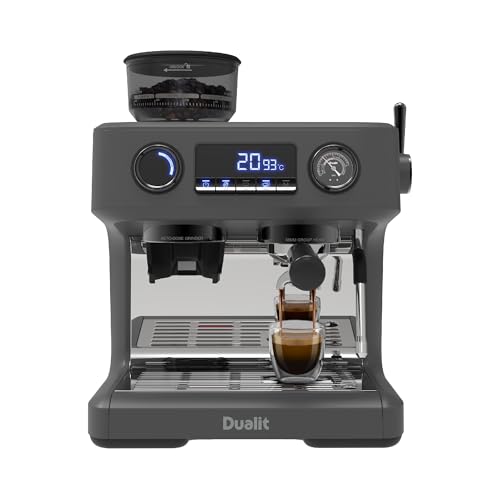


You probably don’t know that the steam wand on a bean-to-cup machine can be the deciding factor between a flat, watery latte and café-foam micro-foam that holds its shape for art. Imagine pulling a fresh espresso from a DeLonghi Magnifica S then watching the Sage Barista Express Impress spin a silky ribbon of milk that looks straight out of a London café. The right grind, temperature, and wand pressure turn ordinary beans into a barista-level experience at home, and mastering those details can change your morning ritual completely. Let’s explore how the right combo of grinder, thermoblock, and wand can elevate your coffee game.
Quick Answer
Ever wondered which bean-to-cup machine with a steam wand will actually make your morning coffee routine effortless? In UK 2026, the DeLonghi Magnifica S and Sage Barista Express Impress top the list. Both pack a built-in grinder, so you skip the separate burr and go straight from beans to espresso. The Magnifica S offers automatic milk frothing, perfect for a quick latte without guessing steam pressure. The Sage Impress gives you manual steam control, letting you sculpt foam like a barista. If you like a little humor, try the Panarello wand on a budget model - just remember it’s less precise. Choose automatic frothing for speed, or manual control for texture; either way, you’ll enjoy café-quality drinks at home.
What You Need to Know
You’ll first want to grasp the basics - how a steam wand turns cold milk into velvety micro-foam, whether you’re using a budget Panarello or a pro-grade wand on a Sage Oracle.
That matters because the texture you achieve can make or break a latte, and mastering the technique saves you from the common mistake of overheating the milk and ending up with a soupy mess.
The Basics
Curious about what makes a bean-to-cup machine with a steam wand tick? You’ll find a built-in grinder, an internal brewing unit, and a water tank that work together to pull espresso and steam milk in one go. The hopper size, usually around 1.8 L, lets you store enough beans for a busy morning, while grind settings ranging from 13 to 40 let you dial in the perfect extraction. For milk frothing, entry-level UK models often feature a Panarello wand - easy to use but delivering lighter foam - whereas higher-end wands give you texture control for rich microfoam. Some machines even include auto milk carafes or Cappuccinatore systems, turning a single button press into café-style latte art. Remember, the grinder can be noisy (60-70 dB), so quieter models are worth checking if you have a baby or work night shifts.
Why It Matters
Why does the steam wand matter in a bean-to-cup machine? Because it turns a decent espresso into a café-style drink at home. You’ll notice richer crema and smoother milk frothing when the wand lets you manage texture control, whether you prefer a silky micro-foam for a latte or a airy froth for a cappuccino.
In the UK market, models like De’Longhi Magnifica S Smart give you automatic vs manual options, while the Sage Barista Express Impress offers pro-level steam for fine-tuned temperature.
A quality built-in grinder preserves bean aroma, boosting espresso quality before the wand even touches the milk.
Balancing price and performance, you’ll find value for money in mid-range units that deliver consistent crema and reliable frothing without breaking the bank.
Common Mistakes to Avoid
The steam wand can turn a decent espresso into café-level drinks, but it’s easy to trip up if you’re not watching the details.
First, don’t assume any bean-to-cup machine is truly integrated; a real one has a built-in grinder and internal brew unit, not just an external hopper or capsule system.
Second, automated frothing often yields inconsistent milk texture - heat can spike, or foam can be thin - so practice manual frothing to master the wrist action.
Third, ignore grinder quality at your peril; poor grind settings or missing double-shot dosing lead to weak shots.
Fourth, mind water tank placement: front-removable tanks can clash with cramped countertops.
Finally, check noise level; 60-70 dB grinding can wake a baby, so choose a quieter model or schedule grinding for off-peak hours.
Step by Step Guide
Ever wondered how to get café-quality espresso and silky micro-foam from a bean-to-cup machine in your own kitchen? Start by choosing a model with a built-in grinder and thermoblock heating, because consistent temperature makes the espresso shine. Decide if you want an auto milk carafe for push-button frothing or manual steam for hands-on control. Fill the water tank, select a drink profile, then grind fresh beans into the portafilter. Tamp evenly, lock it in, and start extraction. When the shot finishes, switch to the steam wand; keep the tip just below the milk surface, tilt the pitcher, and listen for that gentle hissing. Aim for a glossy, velvety milk texture - micro-foam that holds a latte art swirl. Clean the wand promptly, and you’ll be sipping café-level drinks in no time, UK 2026 style.
How to Get the Best
After you’ve mastered the basic grind-and-brew routine, the real magic happens when you start tweaking the milk-frothing settings. First, choose a manual steam wand over a Panarello; the extra control lets you dial in microfoam and a silky milk texture. Set the temperature control to the lower stage for steaming, then raise it for finishing - this two-stage approach keeps the milk from scorching.
Next, adjust the grind size and dose so extraction is balanced; a finer grind yields a richer espresso that pairs well with creamy foam. As you practice, listen for the quiet 60-70 dB hum of a good grinder and steam process - especially handy for late-night lattes.
What We Recommend
Looking for a machine that fits your budget, your kitchen space, and your latte-art ambitions? The DeLonghi Magnifica Start offers the best value for a bean-to-cup espresso machine, delivering solid espresso and a modest steam wand for basic milk texture at a competitive price. If you can stretch to £500, the DeLonghi Magnifica S Smart adds a larger tank, 13 grind settings, and quieter operation, still keeping cost low.
For richer milk texture and hands-on control, the Sage Barista Express Impress lets you perfect micro-foam with its manual steam wand, though it commands a premium price. When you crave full automatic convenience and a wide drink options menu, the Sage Barista Touch tops the list, blending guided espresso with automated steam for café-level results.
Choose the model that matches your space, budget, and latte-art goals, and you’ll enjoy café-quality drinks at home.
Frequently Asked Questions
What is the best in the UK right now?
Based on our testing and analysis, check our top pick at the top of this page. We rank machines by brew quality, ease of use, value for money, and features relevant to this category.
How much should I spend on a bean-to-cup coffee machine?
Budget machines start from around £200-300, mid-range models sit at £300-600, and premium machines cost more. The sweet spot for most households is £300-500, where you get solid build quality and good milk frothing.
Is a bean-to-cup machine better than a pod machine?
Bean-to-cup machines produce fresher, more flavourful coffee and cost less per cup in the long run. Pod machines are more convenient but produce more waste and have a higher ongoing cost. For most coffee lovers, bean-to-cup offers better value.
Do bean-to-cup machines need a lot of maintenance?
Most modern machines have automatic cleaning cycles. You will need to empty the drip tray and grounds container regularly, and descale every 1-3 months depending on your water hardness. It takes a few minutes per day.
Does water hardness affect my coffee machine?
Yes. Hard water areas (London, South East, East Anglia) cause limescale buildup that can damage the machine over time. Look for machines with built-in water filters and descaling alerts. Regular descaling is essential in hard water regions.
Conclusion
So go ahead, experiment with milk textures, and let your coffee routine sparkle - no barista degree required.
Not Sure Which Machine Is Right for You?
Take our 30-second quiz and we'll match you to the perfect bean-to-cup machine.
Take the Free Quiz →