
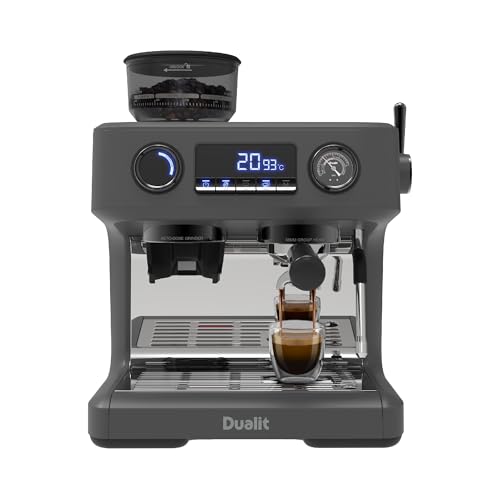


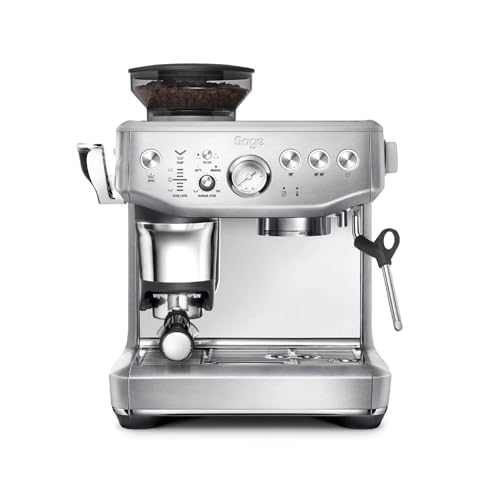


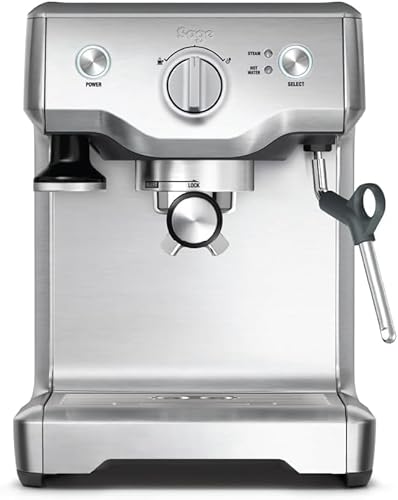
It’s funny how you’ll often bump into a friend who just bought a Jura or Sage, and both swear their kitchen now feels like a café. If you’re hunting for a compact, all-in-one bean-to-cup that grinds, brews, and froths without taking up a whole wall, you’ve hit the right spot. Think strong grinders, a dedicated brew unit, and either auto-milk or manual frother, all wrapped in a chassis that fits under a countertop. From sub-£300 workhorses to sleek £1,600+ models, the choices balance price, noise, and maintenance - so let’s unpack what matters most and find the perfect fit for your morning ritual.
Quick Answer
Looking for a coffee machine that brews straight from beans without a separate grinder? A true bean-to-cup unit with an integrated grinder gives you fresh grind at the touch of a button, and most models also throw in milk frothing options - whether you prefer a Panarello wand, an automatic carafe, or a manual steam pipe. The DeLonghi Magnifica Evo Next, for example, packs a compact hopper, a quiet burr grinder, and a frother that can whip up latte art in minutes. If space is tight, the Magnifica S stays under £300 and still delivers solid espresso. Mid-range picks like the Gaggia Anima sit around £600, offering more grind-strength settings and a sleek footprint. Premium choices such as the Sage Barista Touch, priced near £1,600, wow with precision brewing and premium frothing. Choose based on footprint, water-tank access, and noise level, and you’ll enjoy café-quality drinks without the hassle of separate appliances.
What You Need to Know
You’ll first get the basics down: a built-in grinder, a brew unit, and a milk frother all tucked into one sleek box, so you can press a button and watch espresso materialize.
Next, why it matters is simple - no more juggling separate beans, filters, or a noisy stovetop, which means you spend less time fussing and more time sipping, especially when you’re racing the kids to school.
Finally, avoid common mistakes like cramming the hopper with too many beans, ignoring the water-tank’s front-access design, or picking a frother that’s either too fancy or too basic for your latte art ambitions.
The Basics
Ever wondered what makes a bean-to-cup machine truly “all-in-one”? You’ll find a built-in grinder that shaves fresh beans right before brewing, and an internal brewing unit that handles tamping, extraction, and ejection without a separate portafilter. Think of it as a mini café tucked inside your kitchen.
The hopper holds the beans, the removable water tank fills up, and the waste and drip tray collect spent grounds and excess liquid automatically.
Brands like DeLonghi Magnifica, Gaggia Anima, and Jura/Sage illustrate how the grinder and brewing unit work together to deliver espresso-like drinks at the press of a button. This integration means you skip the messy manual steps and enjoy consistent flavour, every time.
Why It Matters
Why does a built-in bean-to-cup machine matter? Because its bean-to-cup relevance boils down to convenience and quality. You skip the separate grinder, portafilter, and mess, letting the machine handle beans, water, and waste in one sleek unit. This means you can pull a fresh espresso in seconds, then switch to milk frothing for a latte without juggling tools. Adjustable grind settings let you fine-tune extraction - coarse for a light brew, fine for a robust shot - so you get consistent flavour every time. Imagine waking up, pressing a button, and hearing the gentle whir of the grinder followed by a silky froth. The integrated design saves space, reduces cleanup, and lets you experiment with drinks, all while keeping your kitchen looking tidy.
Common Mistakes to Avoid
So, what’s the biggest pitfall when picking a built-in bean-to-cup machine? You’ll often assume any kitchen-counter unit is a true bean-to-cup, but only models with proper grinder integration and a dedicated brewing unit qualify. Beware of “in-between” Sage Oracle/Oracle Touch models; they sit between a grinder and a traditional portafilter, so you can’t expect full automation.
Next, don’t mix up auto milk carafe frothing with manual steam; the carafe is convenient but offers limited milk frothing control compared with a pro wand. When hunting under £500, watch for tiny milk carafes or a lack of true double-shot dosing - these kerb espresso strength and variety.
Finally, check practical details like cup height, hopper location, front-loading water tank, and noise (60-70 dB). A machine that fits your kitchen and lifestyle saves you headaches later.
Step by Step Guide
How do you start picking the perfect built-in bean-to-cup machine for your kitchen? First, set a realistic budget and list the drinks you adore - espresso, latte, cold brew. Decide if you want auto-frothing or manual control; that choice shapes the milk system. Next, measure your cabinet height, check that the front-access water tank fits, and verify the bean hopper won’t clash with other appliances. Compare specs: look for strong grinder quality with multiple settings, choose thermoblock for quick heat or a boiler for steady temperature, and ensure the maximum cup height matches your favourite mugs. Test user experience - press the buttons, listen to grinding noise, and gauge how easy cleaning feels. Finally, read reviews for temperature accuracy, crema, froth texture, and confirm warranty and spare-part support.
How to Get the Best
Ever wondered why your espresso sometimes tastes flat whereas the froth looks perfect? You’re probably missing a few tweaks. Start by dialing the grind to the sweet spot - 13 on a Magnifica Evo Next or 5 on a Gaggia Anima - to balance extraction and crema. Pick a bean-to-cup model with a front-loading water tank and adjustable cup height; it saves you from spills and makes placement a breeze. For milk texture, decide whether you want the consistency of an auto-carafe frother or the artistry of a Panarello wand. Use the machine’s user profiles and customisable dose settings to lock in strength and flavour. Test the grinder in a noisy room; 60-70 dB is normal, and you’ll know if it’s acceptable. Adjust these variables, and you’ll consistently brew café-grade drinks at home.
What We Recommend
Looking for the perfect bean-to-cup machine that fits your kitchen and budget? If you need a reliable workhorse under £500, the De’Longhi Magnifica Start tops our recommendations. Its front-loading tank and compact design make daily espresso a breeze.
Step up to under £1,000, and the De’Longhi Rivelia shines with swappable hoppers and a touchscreen that lets you tweak every drink.
For those craving barista-level control, the Sage Barista Touch offers guided manual and automatic options - though it’s pricier.
Finally, the Jura E6 delivers simplicity; one-button operation yields consistent coffee with minimal fuss.
When choosing, weigh hopper versatility, drink variety, noise, and footprint to match your kitchen layout.
These built-in models cover every need, so you’ll find the right fit without over-complicating your morning routine.
Frequently Asked Questions
What is the best in the UK right now?
Based on our testing and analysis, check our top pick at the top of this page. We rank machines by brew quality, ease of use, value for money, and features relevant to this category.
How much should I spend on a bean-to-cup coffee machine?
Budget machines start from around £200-300, mid-range models sit at £300-600, and premium machines cost more. The sweet spot for most households is £300-500, where you get solid build quality and good milk frothing.
Is a bean-to-cup machine better than a pod machine?
Bean-to-cup machines produce fresher, more flavourful coffee and cost less per cup in the long run. Pod machines are more convenient but produce more waste and have a higher ongoing cost. For most coffee lovers, bean-to-cup offers better value.
Do bean-to-cup machines need a lot of maintenance?
Most modern machines have automatic cleaning cycles. You will need to empty the drip tray and grounds container regularly, and descale every 1-3 months depending on your water hardness. It takes a few minutes per day.
Does water hardness affect my coffee machine?
Yes. Hard water areas (London, South East, East Anglia) cause limescale buildup that can damage the machine over time. Look for machines with built-in water filters and descaling alerts. Regular descaling is essential in hard water regions.
Conclusion
Enjoy your new built-in bean-to-cup, whether you pick a budget-friendly De’Longhi or a sleek Sage that would make a Victorian butler jealous. Remember: a strong grinder, a reliable brew unit, and a milk frother that matches your style are the holy trinity. Keep the water tank full, clean the brew group weekly, and experiment with grind size for that perfect espresso. With a little care, your kitchen will feel like a café, and every cup will be a victory.
Not Sure Which Machine Is Right for You?
Take our 30-second quiz and we'll match you to the perfect bean-to-cup machine.
Take the Free Quiz →