
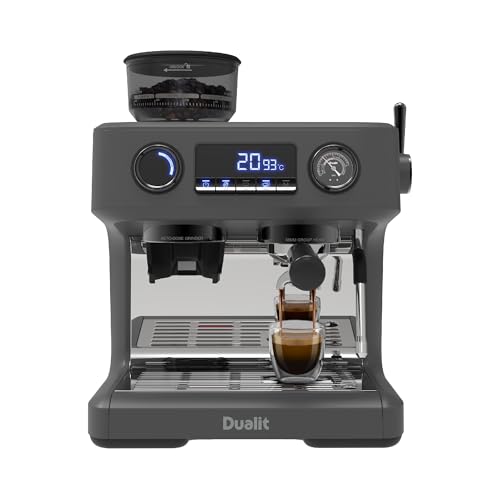


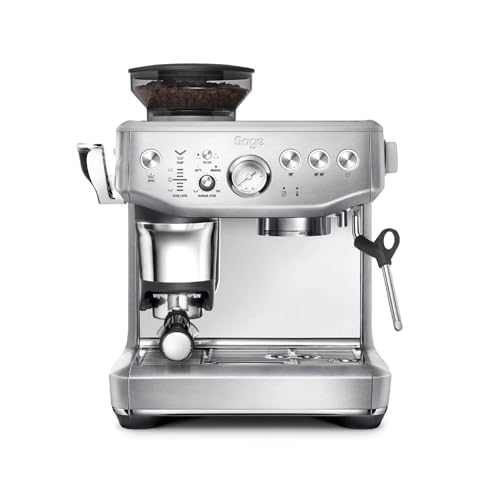


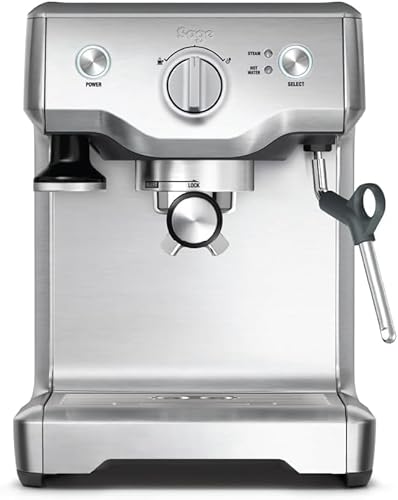
You’re hunting a machine that can churn out espresso after espresso without breaking a sweat, and the UK market has a few stand-outs that fit the bill. Think Bravilor’s Sego/Sepo line - robust enough for high-volume cafés, with front-panel access that makes cleaning a breeze, and La Cimbali’s S60, which offers razor-sharp dose control and a sleek auto-wand for silky milk froth. Both handle fresh-milk systems gracefully, keep noise down, and can be leased on flexible terms, so you won’t be stuck with a pricey purchase if your menu shifts. The real trick is matching capacity, grind range, and service plans to your peak hours - because a machine that stalls during the morning rush can ruin more than just a latte. Ready to see which model keeps your line moving and your customers smiling?
Quick Answer
Looking for the top commercial bean-to-cup machine in the UK? You’ll find the Bravilor Bonamat Sego and Esprecious lines sitting comfortably at the low end of the price range UK, starting around £1,099. If you prefer fresh milk systems, the Jura X4 or La Cimbali S60 deliver silky foam, but they demand regular cleaning. Powdered milk options cut maintenance and cost per cup, making them popular in high-volume environments where speed matters. Front-access servicing on the Bravilor Sego 11/12 means you can swap parts without halting service, a real time-saver. Expect premium models like the La Cimbali S60 to climb toward £7,095+, yet they reward you with larger capacities and robust milk handling. Choose based on budget, daily cup volume, and whether you value fresh-milk texture or lower upkeep.
What You Need to Know
You’ll first get the basics down - a bean-to-cup machine grinds, tamps and brews automatically, so you can serve latte after latte without breaking a sweat. That matters because a reliable unit keeps the line moving, especially during rush hour, and prevents the dreaded “out-of-milk” panic that can ruin a shift.
And watch out for common mistakes like skipping regular cleaning, choosing a model with the wrong milk system for your menu, or ignoring lease terms that could bite you later - a quick check now saves a lot of hassle (.
The Basics
Ever wondered what actually happens inside a bean-to-cup coffee machine? You drop beans into the hopper, the automatic grinder crushes them fresh, then the brewing unit tamp- and extracts espresso with a pressure of 9 bars. A commercial machine manages water flow, waste collection, and milk frothing - all without you lifting a finger. Some models sport a Panarello wand for easy latte art, while others have a pro steam wand for barista-level foam. The grinder’s consistency dictates flavour, so a high-quality burr grinder is a must. If you love black coffee, you’ll appreciate the precise brews; if you favor cappuccinos, the frothing system will be your favourite feature. Balance budget, drink preferences, and control level to pick the right setup.
Why It Matters
When a bean-to-cup machine handles grinding, tamping, brewing, and frothing automatically, it turns a busy office kitchen into a mini-café without hiring a barista. You’ll quickly see why a commercial coffee machine matters: it guarantees consistent flavour, thanks to precise grind settings and dose control, so every cup tastes like it was made by a pro.
A fresh milk system boosts froth quality, and the milk frothing capability - whether panarello, steam wand, or auto-carafe - keeps lattes silky. Capacity per hour matters, too; a 70-cup-per-hour model prevents queues during peak breaks.
Common Mistakes to Avoid
So, what’s the biggest pitfall when picking a commercial bean-to-cup machine? You often assume every Bean-to-Cup coffee unit has an internal grinder, but many rely on external grinding or skip true double-shot dosing, leaving you with inconsistent pulls. Don’t confuse “In-Between” models with full-feature ones; they may need manual tamping or lack integrated milk frothing, which matters if you crave silky cappuccinos. Check hopper size and water tank access - small hoppers or hard-to-reach tanks can choke a busy office. Verify cup height; a low-profile machine won’t fit oversized mugs. Finally, mind the noise level - 60-70 dB grinding can be a nightmare near a nursery or night shift. Choose wisely, and your coffee will thank you.
Step by Step Guide
Choosing the right bean-to-cup machine starts with a clear picture of your venue’s needs - think about how many cups you’ll serve during rush hour, whether you have a barista on hand or a busy self-service counter, and how much space you can spare. First, define volume, peak times, and staff availability; this tells you whether a true bean-to-cup with built-in grinder and automation fits.
Next, compare commercial models: check dose control precision, milk system type (auto latte carafe vs manual wand), and user interface ease. Then, set a budget, remembering cost of ownership includes maintenance, cleaning, and parts. Test noise levels and cup quality with real photos or videos, and read non-sponsored reviews.
Finally, match the grinder’s grind range to your beans, and ensure the milk system aligns with your staff’s skill level.
How to Get the Best
How can you squeeze the most flavour out of a commercial bean-to-cup machine? First, pick a model with a built-in grinder and internal brewing unit so the beans stay fresh right up to the cup. Next, match the milk frothing system to your staff’s skill - an automatic latte carafe is forgiving, while a manual steam wand gives barista-level control. Check real-world reviews for reliability, especially how the front-access water tank handles refills without spills. Keep an ear on noise level; grinding typically hits 60-70 dB, so a quieter unit eases the café vibe. Finally, set up simple cleaning routines for the grinder and milk circuit; consistent maintenance guarantees espresso consistency and happy customers.
What We Recommend
The DeLonghi Magnifica Evo Next tops our list for the best overall value under £500, and it’s easy to see why. Its bean-to-cup system delivers café-grade espresso with 13 grind settings, while the auto carafe handles milk frothing at the touch of a button - perfect for a busy UK office.
If you prefer manual control, the Gaggia Anima’s Panarello wand offers silky steam, and its slim chassis fits tight countertops.
For budget-conscious shops, the Magnifica S provides rock-solid durability and a front-removable tank, though it skips the fancy display.
Choose based on frothing style, cup height, and how many profiles you need; each machine balances performance and value, so you’ll never compromise on taste.
Frequently Asked Questions
What is the best in the UK right now?
Based on our testing and analysis, check our top pick at the top of this page. We rank machines by brew quality, ease of use, value for money, and features relevant to this category.
How much should I spend on a bean-to-cup coffee machine?
Budget machines start from around £200-300, mid-range models sit at £300-600, and premium machines cost more. The sweet spot for most households is £300-500, where you get solid build quality and good milk frothing.
Is a bean-to-cup machine better than a pod machine?
Bean-to-cup machines produce fresher, more flavourful coffee and cost less per cup in the long run. Pod machines are more convenient but produce more waste and have a higher ongoing cost. For most coffee lovers, bean-to-cup offers better value.
Do bean-to-cup machines need a lot of maintenance?
Most modern machines have automatic cleaning cycles. You will need to empty the drip tray and grounds container regularly, and descale every 1-3 months depending on your water hardness. It takes a few minutes per day.
Does water hardness affect my coffee machine?
Yes. Hard water areas (London, South East, East Anglia) cause limescale buildup that can damage the machine over time. Look for machines with built-in water filters and descaling alerts. Regular descaling is essential in hard water regions.
Conclusion
You’ve got the tools to turn any café into a coffee-making powerhouse - just pick a reliable bean-to-cup like the Bravilor Sego or La Cimbali S60, match the milk system to your menu, and keep maintenance simple. Remember, a well-tuned machine can churn out lattes faster than a cheetah on espresso, so test grind settings, watch the noise level, and lock in a lease that fits your volume. With these steps, you’ll serve consistently great drinks and keep customers coming back for more.
Not Sure Which Machine Is Right for You?
Take our 30-second quiz and we'll match you to the perfect bean-to-cup machine.
Take the Free Quiz →