
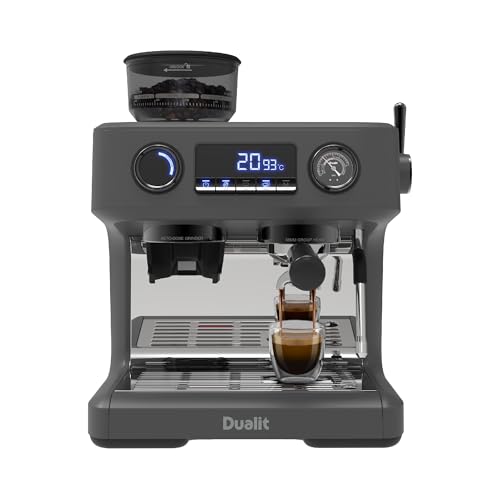


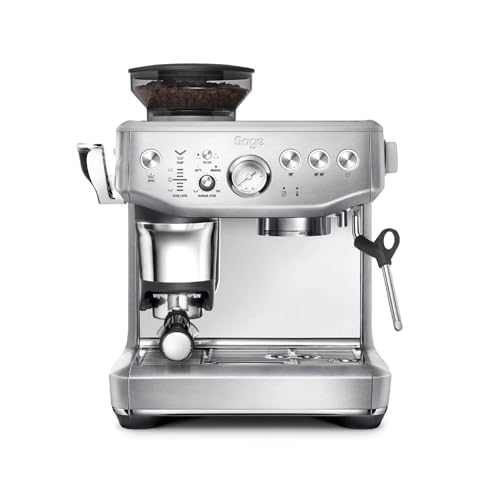


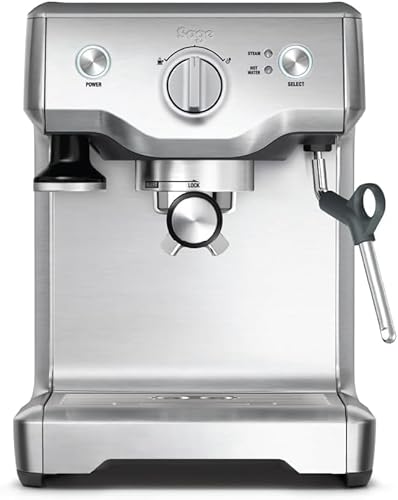
It’s not just a coffee maker; it’s a mini-café that lets you juggle two beans without a mid-brew panic. Imagine swapping a dark roast for a smooth latte blend on the fly, thanks to front-access hoppers and a quick-switch mode that feels as easy as flipping a light switch. You’ll love the grind-customization and milk-frothing perks on models like De’Longhi’s Magnifica Evo Next or Gaggia Anima, all under £850. Curious how these features actually work together? Let’s dive in.
Quick Answer
Ever wondered how you can enjoy two different beans without constantly refilling your machine? In the UK, a dual hopper bean-to-cup system lets you pick espresso or a light roast with a simple hopper swap, so you get two bean varieties at the touch of a button. Automatic machines like DeLonghi’s Rivelia or Melitta’s Barista TS handle the switch-mode prompt effortlessly, keeping your workflow smooth. Prices typically sit between £600 and £1,000, reflecting features such as touchscreens or bean-dose customization. When you compare models, look for clear dual hopper support and intuitive prompts for each drink. This setup works great at home or in an office, giving you café-quality choice without the hassle of refilling.
What You Need to Know
You’ll first want to grasp the basics: two hoppers mean you can keep a bold roast and a light blend ready, so you never have to grind the wrong bean for your latte. That matters because it cuts prep time in half and lets you switch flavours on the fly - just like the De’Longhi Rivelia’s switch-mode, which feels like having a mini coffee bar at home.
Watch out for common mistakes, such as neglecting hopper seals or assuming the machine grinds both beans simultaneously; a quick clean after each swap keeps the coffee tasting fresh and avoids the dreaded “bean-crosstalk” that can ruin a perfect cup.
The Basics
So, what exactly makes a dual-hopper bean-to-cup machine worth a look? You get two separate bean hoppers, so you can switch between a dark roast and a light blend without dumping beans mid-brew. The DeLonghi Rivelia, for example, lets you program Bean Adapt to match each bean’s ideal grind settings, delivering consistent flavour every time. A built-in milk frother adds silky foam for lattes, while the hot water function handles tea or Americano without extra gear.
Because the system grinds on demand, you avoid stale grounds and enjoy fresh aroma with each cup. These coffee machines blend convenience with customization, making them perfect for households or small offices that crave variety without the hassle.
Why It Matters
Having seen how the dual-hopper setup lets you juggle dark and light roasts, the next question is why that flexibility actually matters in everyday coffee making. With a dual hopper bean-to-cup machine, you can pull a bold espresso from one coffee beans batch and then switch to a milder blend for a silky milk texture, all without emptying the hopper. This matters because you’ll never compromise flavour when a guest prefers a lighter roast or when you crave a strong shot for a quick boost. In the UK market, automatic coffee machines often face cup height limits; having two hoppers means you can choose a taller mug for a latte without sacrificing grind quality. So you enjoy variety, convenience, and consistent taste - all from one sleek countertop unit.
Common Mistakes to Avoid
Even if you’ve just unpacked your new dual-hopper coffee machine, it’s easy to slip into a few rookie habits that can ruin the experience. One common mistake is assuming every bean-to-cup dual hopper model automatically syncs grind and dose. You might switch beans and still get uneven shot volumes because grind/dose synchronization isn’t set for each hopper.
Another pitfall is neglecting hopper accessibility; a rear-mounted hopper makes quick swaps a comedy of errors in a cramped kitchen.
Forgetting to check switch-mode prompts can leave you brewing with the wrong profile, while ignoring pre-ground compatibility wastes the option for a quick espresso.
Finally, don’t assume dual-hopper compatibility means simultaneous dosing works for all UK coffee machines - test it before you trust it for complex drinks.
Step by Step Guide
Ever wondered how to make the most of a dual-hopper bean-to-cup machine without turning your kitchen into a coffee-lab? Start by unboxing your UK-model, like the De’Longhi Rivelia, and check the hopper clearance; you’ll notice the front-access refills make swapping beans a breeze. Fill each hopper with a different roast, then set up personal profiles for your household - one for bold espresso, another for mellow latte.
Next, run a short rinse cycle to clear any dust, then select the desired bean via the switch-mode prompt. Adjust grind size and water temperature, then press start. Finally, taste the result, note any tweaks, and enjoy the convenience of two coffees in one sleek machine, all within the £599-£850 price range UK.
How to Get the Best
Where should you start to squeeze the most flavour out of your dual-hopper bean-to-cup machine? First, load each hopper with beans that complement each other - say, a bright Ethiopian and a rich Brazilian. Use the switch-mode prompts to toggle between them, letting the two-hopper interfaces remember your preferences. Make sure the built-in grinder is set to the right grind size for each bean; a finer setting works for lighter roasts, while a coarser one suits darker beans. Keep the ground bin capacity in mind - empty it after each brew to avoid stale residue. Perform regular bean adaptation checks, cleaning the burrs and seals. Finally, use the maintenance access panel for quick descaling; a clean machine delivers consistent, delicious cups every time.
What We Recommend
Looking for a dual-hopper bean-to-cup machine that won’t break the bank? In the UK market you’ll love the De’Longhi Magnifica Evo Next - it packs 13 grind settings, a LatteCrema one-touch milk carafe, and a compact 1.1.8 l water tank, plus three user profiles for personalized brews.
If you prefer a slimmer footprint, the Gaggia Anima offers a Panarello wand, straightforward dose control, and a 22.1 cm width that slides easily onto tight countertops.
For those willing to stretch to under £1,000, the De’Longhi Rivelia shines with swappable hoppers and Bean Adapt for fine-tuning flavours.
These three models balance price, performance, and flexibility, making them top picks for any coffee-loving household.
Frequently Asked Questions
What is the best in the UK right now?
Based on our testing and analysis, check our top pick at the top of this page. We rank machines by brew quality, ease of use, value for money, and features relevant to this category.
How much should I spend on a bean-to-cup coffee machine?
Budget machines start from around £200-300, mid-range models sit at £300-600, and premium machines cost more. The sweet spot for most households is £300-500, where you get solid build quality and good milk frothing.
Is a bean-to-cup machine better than a pod machine?
Bean-to-cup machines produce fresher, more flavourful coffee and cost less per cup in the long run. Pod machines are more convenient but produce more waste and have a higher ongoing cost. For most coffee lovers, bean-to-cup offers better value.
Do bean-to-cup machines need a lot of maintenance?
Most modern machines have automatic cleaning cycles. You will need to empty the drip tray and grounds container regularly, and descale every 1-3 months depending on your water hardness. It takes a few minutes per day.
Does water hardness affect my coffee machine?
Yes. Hard water areas (London, South East, East Anglia) cause limescale buildup that can damage the machine over time. Look for machines with built-in water filters and descaling alerts. Regular descaling is essential in hard water regions.
Conclusion
You’ve now got the perfect side-kick for your kitchen - two beans, one machine, endless possibilities. Picture mornings where the bold espresso from De’Longhi’s Magnifica Evo Next meets the silky latte from Gaggia Anima, all without a mid-brew refill. By setting grind size, temperature, and milk texture just right, you’ll sip café-quality drinks every day. So, embrace the dual-hopper magic, experiment fearlessly, and let your countertop become the star of your coffee routine.
Not Sure Which Machine Is Right for You?
Take our 30-second quiz and we'll match you to the perfect bean-to-cup machine.
Take the Free Quiz →