
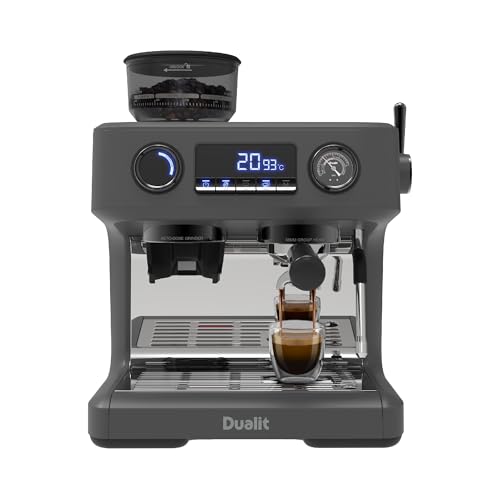


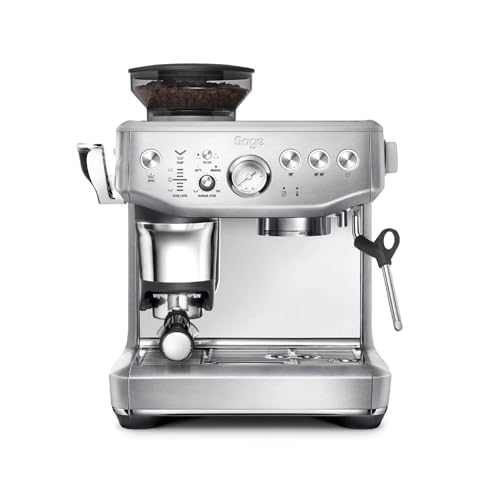


You’ve probably imagined waking up to a barista-level espresso without leaving the kitchen, and the right fully automatic bean-to-cup machine can make that a reality. Think of the compact Magnifica S Smart, which slides under a modest countertop yet delivers silky milk foam, or the Sage Barista Touch that rivals café equipment with its precise temperature control - both prove that performance isn’t just for high-priced models. Adjust the grinder, set the frother, and keep the water tank full, then let the built-in descaling routine handle the rest; you’ll notice the difference the first time you pull a shot. Curious how these tweaks translate into everyday coffee bliss?
Quick Answer
Looking for the perfect bean-to-cup machine that does all the work for you? The De’Longhi Magnifica Start tops the list for value-hungry Brits, delivering solid espresso, simple buttons, and a competitive price. If you crave a budget coffee machine under £500, the Magnifica S Smart offers similar ease of use and decent milk frothing without breaking the bank. For those who want a splash of luxury, the Sage Barista Touch dazzles with guided brewing and premium milk texture, though it costs about £1,699. The Jura E6 strikes a middle ground, praised for reliable milk frothing and intuitive operation at roughly £1,300. Each model balances price, milk frothing capability, and user-friendliness, so you can pick the one that fits your kitchen and wallet.
What You Need to Know
You’ll first want to grasp the basics - how the built-in grinder, brewing unit, and milk frother work together, just like a miniature café in your kitchen. That matters because temperature accuracy, noise level, and heat-up time can make the difference between a perfect espresso and a lukewarm disappointment, so you’ll avoid common mistakes like over-filling the hopper or ignoring the water-tank placement.
For example, the Magnifica S keeps the footprint tiny and the price under £300, while a premium Sage model offers auto-milk carafes for barista-grade foam - pick what fits your space and budget, and you’ll be sipping confidence in no time.
The Basics
Ever wondered what really makes a bean-to-cup machine tick? It starts with a built-in grinder that crushes whole beans into fresh ground coffee, then a integrated brewing unit takes over. The unit houses a filter basket and a tamping gear that compresses the grounds for a consistent espresso shot, while a water tank feeds hot water at precise temperature accuracy. You’ll also find milk frothing options - either a wand or a carafe - so you can steam lattes without extra gadgets. Look for models like De’Longhi or Jura that truly combine grinder, brew, and froth in one sleek box. Noise levels, grind settings, and how quickly the machine ejects spent grounds also matter, but the core is this seamless, all-in-one process.
Why It Matters
Why does it matter that your coffee machine is truly fully automatic? Because every cup becomes a seamless experience - no grinding, tamping, or timing on your part. Automation guarantees consistent espresso quality, delivering the same rich crema each shot. It also controls temperature accuracy, so your brew never burns or under-extracts. Fast heat-up time means you’re sipping within minutes, not waiting for a kettle to boil.
Milk frothing works flawlessly, producing velvety milk texture for lattes and cappuccinos without a manual wand. Build quality holds up to daily use, while price reflects the balance between budget and premium features. Ultimately, the convenience frees you to enjoy coffee, not troubleshoot it.
Common Mistakes to Avoid
After enjoying the seamless espresso that a truly fully automatic machine promises, the next step is to sidestep the pitfalls that can turn that dream into a daily headache. One bean-to-cup common mistake is assuming the priciest model beats everything else; weigh price versus features and decide if you need a simple Jura E6 or a customisable Sage Barista Touch. Watch out for poor accessibility controls - top-mounted interfaces can be out of reach for shorter users, so test the ergonomics first. Noise levels matter; a 70 dB grinder will wake the whole house at night. Ensure machine connectivity between the built-in grinder reliability and brewing unit, otherwise you’ll end up with a fake bean-to-cup setup. Finally, don’t neglect milk frothing options or maintenance and cleaning; auto carafe frothers limit texture, and neglecting cleaning hurts performance.
Step by Step Guide
How do you turn a coffee-lover’s dream into a daily reality? First, pick a fully automatic bean-to-cup model that fits your budget. Then, set the grinder settings - most have 13-16 levels - to match your preferred grind. Choose milk frothing options: an auto carafe for hands-free lattes or a manual wand for barista-style foam. Check water tank capacity (1.8-2.3 L) and cup clearance (about 14-15 cm) so mugs slide in easily, and prefer front-loading water access for quick refills. Test the noise level; 55-75 dB blends into a quiet kitchen. Finally, learn the maintenance cycles: daily cleaning, an auto-clean program, and a simple descaling routine to keep flavours pure. This step-by-step guide gets you brewing perfection without hassle.
How to Get the Best
Ever wondered why your coffee sometimes falls flat even after you’ve set every dial? Start with a clean machine; run the cleaning cycles and descaling, then taste again to confirm consistency. Choose beans that match the built-in grinder prompts, and tweak the grind size until the espresso extracts smoothly. Use a Thermapen to check temperature, and if you have an auto milk carafe, experiment with milk frothing settings for latte, cappuccino, or macchiato. Save your favourite presets - strength, grind size, volume - so you can hit the perfect cup with one tap. Remember to monitor noise with a Decibel X app, and adjust the bean-to-cup settings if the brew feels too hot or too weak. A little tweaking, plus regular cleaning cycles, guarantees consistently great results.
What We Recommend
If you’re hunting for a coffee machine that fits your kitchen and your wallet, we’ve got a line-up that covers every need.
For the UK market, the De’Longhi Magnifica Start tops the list as the best value fully automatic bean-to-cup option: its user-friendly controls and built-in grinder make daily brews effortless, while the 1.1.8 l water tank capacity keeps you sipping for hours.
You’ll notice a modest noise level - 55 dB during grind, 75 dB when frothing - so it won’t dominate open-plan living.
Espresso quality rivals café standards, and the milk frothing system delivers silky cappuccino foam.
If you crave simplicity without sacrificing performance, this model strikes the perfect balance between price, convenience, and taste.
Frequently Asked Questions
What is the best in the UK right now?
Based on our testing and analysis, check our top pick at the top of this page. We rank machines by brew quality, ease of use, value for money, and features relevant to this category.
How much should I spend on a bean-to-cup coffee machine?
Budget machines start from around £200-300, mid-range models sit at £300-600, and premium machines cost more. The sweet spot for most households is £300-500, where you get solid build quality and good milk frothing.
Is a bean-to-cup machine better than a pod machine?
Bean-to-cup machines produce fresher, more flavourful coffee and cost less per cup in the long run. Pod machines are more convenient but produce more waste and have a higher ongoing cost. For most coffee lovers, bean-to-cup offers better value.
Do bean-to-cup machines need a lot of maintenance?
Most modern machines have automatic cleaning cycles. You will need to empty the drip tray and grounds container regularly, and descale every 1-3 months depending on your water hardness. It takes a few minutes per day.
Does water hardness affect my coffee machine?
Yes. Hard water areas (London, South East, East Anglia) cause limescale buildup that can damage the machine over time. Look for machines with built-in water filters and descaling alerts. Regular descaling is essential in hard water regions.
Conclusion
You’ll find that the right bean-to-cup machine feels like a lucky coincidence - your favourite espresso shot, silky milk foam, and a fresh grind all arriving at once. When your Magnifica Start hums to life, it’s a reminder that value and reliability can share a kitchen. Upgrade to a Sage Barista Touch, and you’ll see café-grade texture without leaving home. Keep the grinder, tank, and frother tuned, and every cup will feel like a small, delicious miracle.
Not Sure Which Machine Is Right for You?
Take our 30-second quiz and we'll match you to the perfect bean-to-cup machine.
Take the Free Quiz →